

What is a Franchise?
What is a Franchise?
A franchise is a business system in which a company with an established brand, successful business model, and operational expertise (called the franchisor) allows an individual or group (called the franchisee) to operate a business using its brand name, products, services, and processes.
In return, the franchisee pays:
-
An initial franchise fee, and
-
A royalty or revenue share (monthly or yearly)
In simple words, you run your own business, but with a proven brand and system.
Instead of starting from zero, it allows you to start a business with an already successful formula.
This model allows people to start a business with less risk, faster setup, and strong brand backing.
In simple words:
You own the business, but you don’t work alone.
Why the Franchise Model Exists
Starting a business from scratch is risky. You need to:
-
Build a brand
-
Gain customer trust
-
Test products
-
Create systems
-
Learn marketing through trial and error
Most new businesses fail because of lack of experience and systems.
The franchise model solves this problem by offering:
-
A ready-made business formula
-
A recognized brand
-
A support system for entrepreneurs
That’s why franchising has become one of the fastest-growing business models globally.
How a Franchise Business Works Step-by-Step
Here’s how this system typically works:
-
Brand Selection
The franchisee chooses a brand that matches their budget, location, and interest. -
Franchise Agreement
A legal contract is signed that defines rights, responsibilities, fees, and terms. -
Training & Onboarding
The franchisor provides complete training on operations, sales, staff handling, and systems. -
Business Setup
Support is given for location, interiors, branding, equipment, and vendor sourcing. -
Launch & Marketing
The brand assists with launch promotions and marketing strategies. -
Ongoing Support
Continuous guidance, audits, upgrades, and marketing support are provided.
Key Parties in a Franchise Business
1. Franchisor
The franchisor is the brand owner who:
-
Develops the business model
-
Maintains brand standards
-
Provides training, manuals, and support
-
Runs national marketing campaigns
-
Ensures consistency across outlets
2. Franchisee
The franchisee is the business owner who:
-
Invests capital
-
Operates the outlet
-
Manages staff and customers
-
Follows brand systems and guidelines
-
Focuses on local sales and growth
This partnership works best when both sides grow together.
Types of Franchise Models Explained
1. Product Distribution Franchise
The franchisee sells branded products manufactured by the franchisor.
Example: FMCG, automobile dealerships.
2. Service Franchise
The franchisee offers services using the brand’s system and training.
Example: education institutes, fitness centers, salons.
3. Business Format Franchise
This includes:
-
Brand name
-
Products or services
-
Complete operational system
-
Marketing and technology support
Most food, retail, and education franchises fall under this model.

Investment Levels in Franchise Business
Franchise businesses are available at different investment ranges:
-
Low Investment – ₹5–10 lakhs
-
Mid-Level – ₹10–50 lakhs
-
High Investment – ₹50 lakhs to ₹2+ crore
This flexibility makes franchising accessible to a wide range of entrepreneurs.
Advantages of Starting a Franchise
1. Proven Business Model
The business model is already tested in multiple locations, reducing failure risk.
2. Brand Trust
Customers already know the brand, which leads to faster footfall and sales.
3. Training & Handholding
Even first-time business owners get proper training and operational support.
4. Easier Financing
Banks and investors prefer franchise businesses over new startups.
5. Faster Growth
With systems in place, scaling becomes easier and more predictable.
Disadvantages One Should Know
A franchise is not a “get rich quick” scheme. Some limitations include:
-
Limited flexibility in operations
-
Mandatory royalty payments
-
Strict brand guidelines
-
Dependence on franchisor decisions
Understanding these helps you choose the right brand wisely.
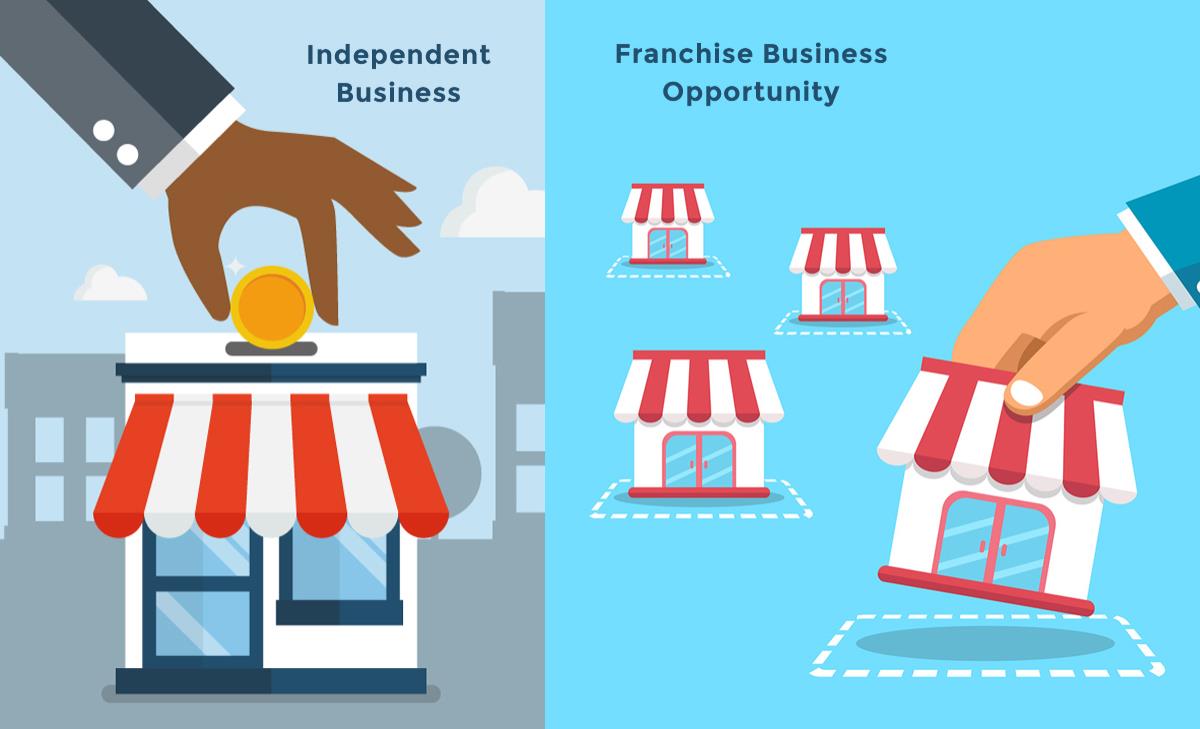
Franchise vs Independent Business
| Factor | Franchise | Own Business |
|---|---|---|
| Risk Level | Lower | High |
| Brand Value | Established | Zero at start |
| Support | Continuous | None |
| Learning Curve | Short | Long |
| Failure Rate | Lower | Higher |
Who Should Choose a Franchise Business?
A franchise is ideal for:
-
First-time entrepreneurs
-
Job professionals planning a business shift
-
Investors seeking stable returns
-
People who want structured growth
-
Business owners who prefer guidance
If you want freedom with support, franchising is a powerful option.
Franchise Business in India: Current Scenario
India is one of the fastest-growing franchise markets due to:
-
Rising middle class
-
Demand for branded products & services
-
Youth interest in entrepreneurship
-
Tier-2 & Tier-3 city expansion
Sectors like food, education, retail, wellness, and services are booming.